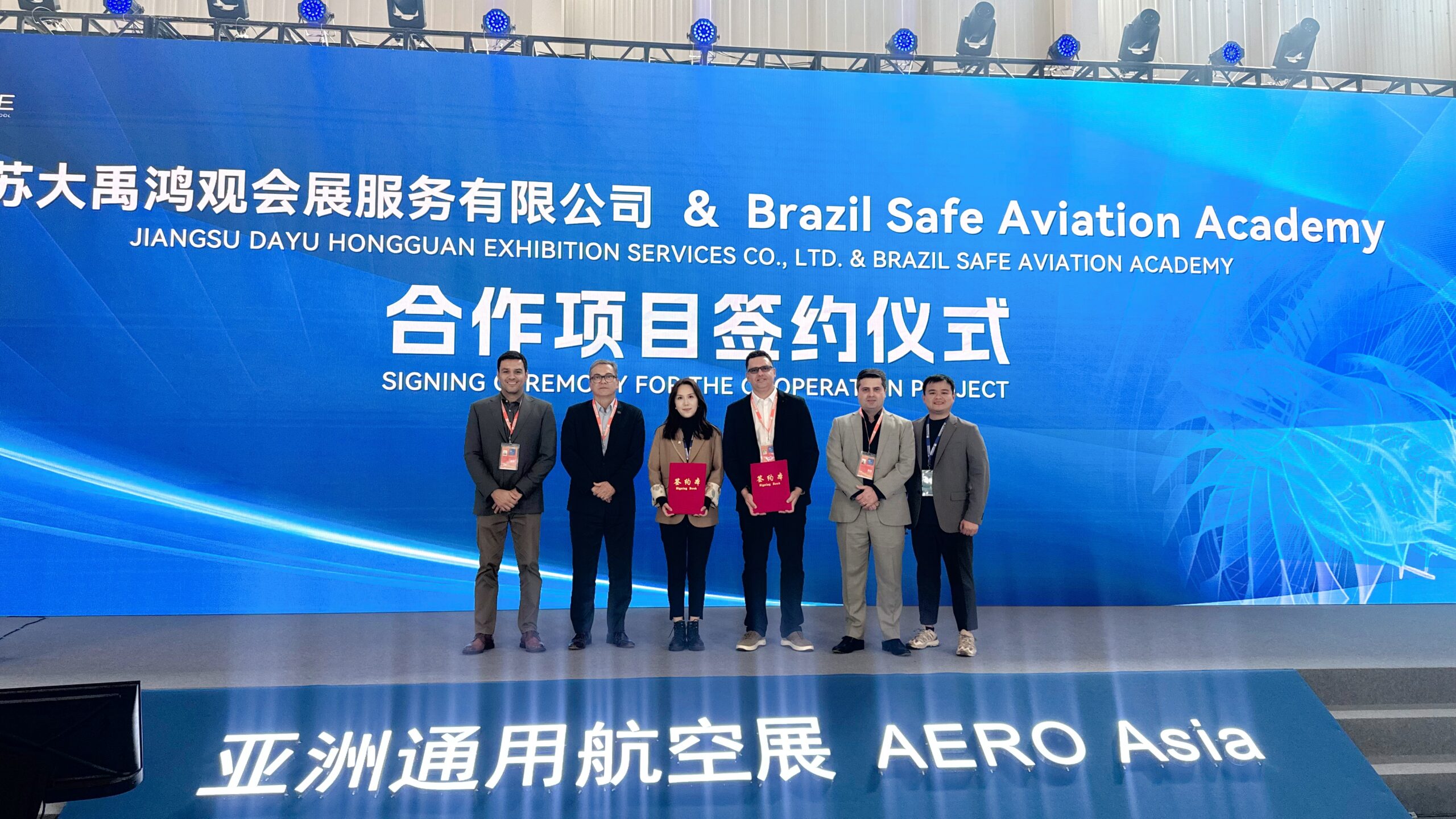

Brazilian aviation school aims to become the first in the country to obtain China’s “Overseas Training” certification, opening a new market for exporting flight-training services using national aircraft.
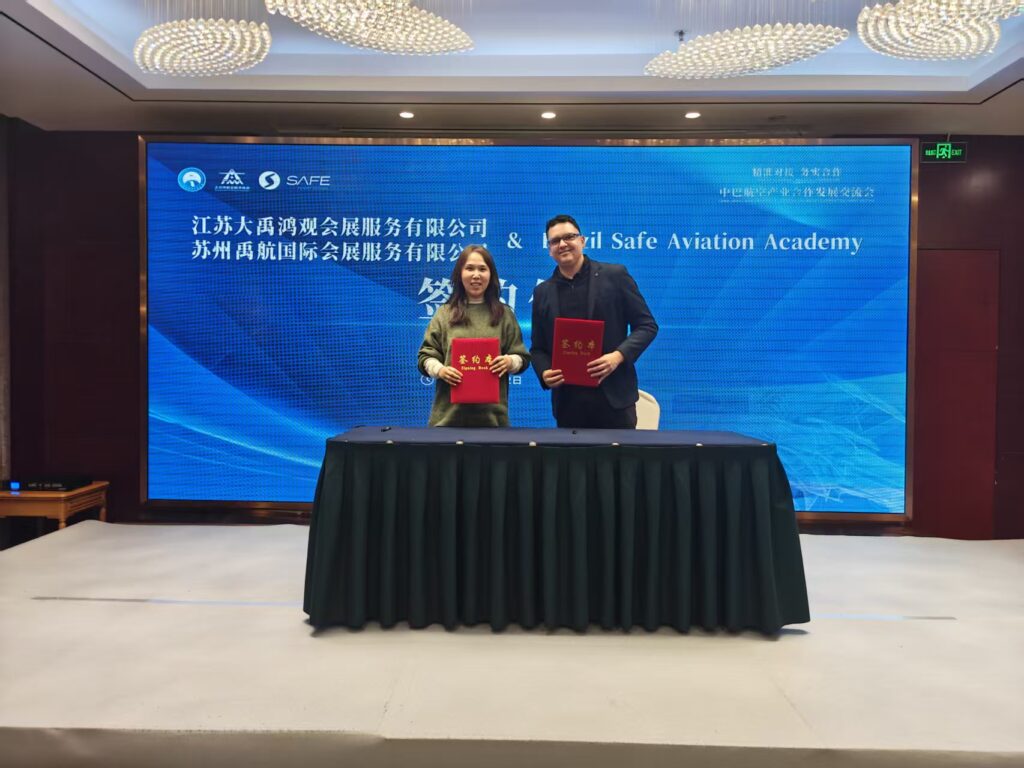
SAFE Flight School announces a landmark achievement for Brazilian civil aviation: the signing of a contract with a Chinese company to bring students from China to complete their pilot training in Brazil. The initiative, which counts on the institutional support of ANAC (the Brazilian Civil Aviation Authority) for regulatory alignment, aims to place Brazil among the select group of countries certified under China’s “Overseas Training” program.
Currently, only 19 schools worldwide are approved for this type of training. SAFE is the first Brazilian school to pursue this certification, a move that could position Brazil as a new global hub for pilot training.
“When we were approached by SAFE, we immediately saw the potential and activated our network to determine the best strategy to issue these global licenses. We dedicated our team to help facilitate the agreement,” said Elder Soares Rodrigues, Deputy Head of the Civil Aviation Personnel Department.
Economic Attractiveness and Technical Quality
The choice of Brazil as a training destination is driven by two main factors: the internationally recognized excellence of Brazilian pilots and the favorable exchange-rate environment. With the depreciation of the Real against the Dollar and other strong currencies, Brazil becomes extremely competitive, offering training costs significantly lower than traditional competitors (such as the U.S. or Australia) while maintaining a superior standard of quality.
“Brazil is already globally recognized for the quality of its aviation workforce, being the first place foreign companies look when hiring. Now, we combine this reputation with economic competitiveness to attract the Chinese market,” says Captain Ramos, SAFE Founder and CEO.
The project raises the bar for aviation training in the country. One of the requirements for Chinese certification is that all training—both theoretical and practical—must be conducted 100% in English. This creates a virtuous cycle:
- It prepares Chinese students for the global market and for the growing presence of Chinese aviation worldwide.
- It elevates the technical level of Brazilian instructors, fostering stronger English-language proficiency in basic national training.
Regulatory Support and Next Steps
“We seek to provide full international institutional support from ANAC to facilitate negotiations and promote this international agreement,” said Diego José Pereira da Silva, Deputy Head of the International Affairs Office.
The first group of Chinese cadets is expected to arrive in Brazil as early as 2026. To enable full operational capability, SAFE is working together with ANAC and the Civil Aviation Administration of China (CAAC) to sign an MOU (Memorandum of Understanding).
The purpose of this agreement is to ensure automatic validation of licenses: once trained in Brazil, the pilot will have their certification immediately recognized in China without additional bureaucracy.
“SAFE is opening the doors, but the initiative will be valid for any Part 141-certified school in Brazil that wishes to meet the required standards,” says Luiz Ricardo de Souza Nascimento, Deputy Director-President of ANAC.
Brazilian Fleet in the Spotlight
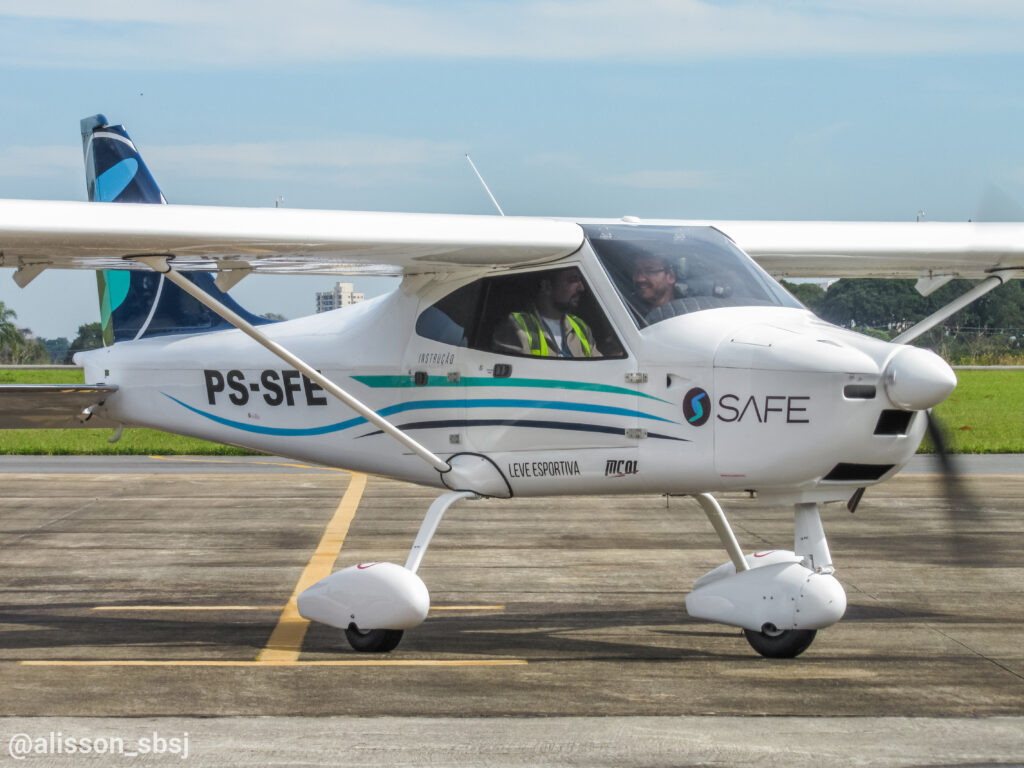
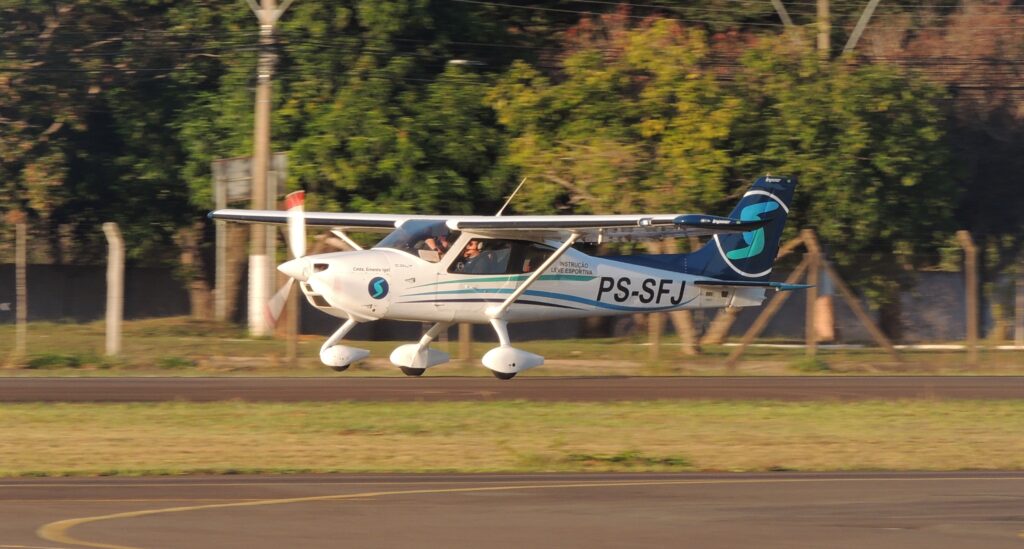
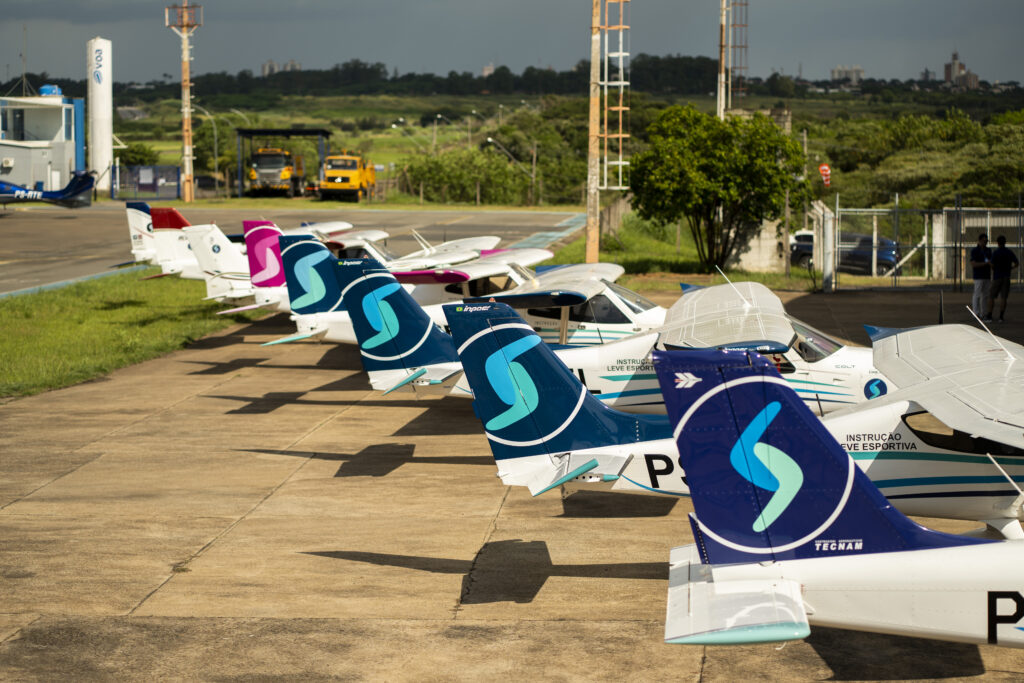
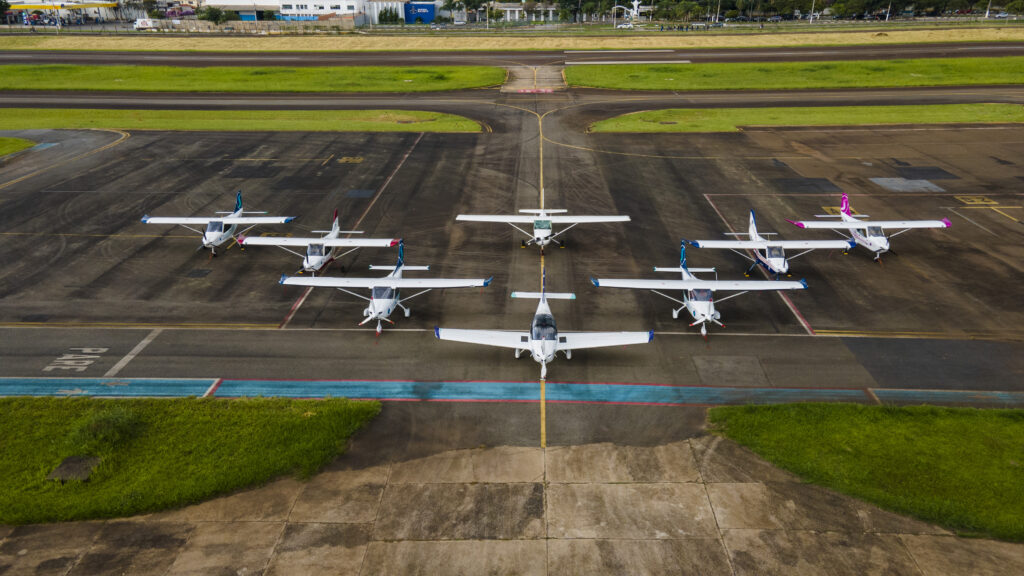
A strategic differentiator—the “cherry on top”—of this contract is the promotion of the national aviation industry. All training will be conducted using Brazilian-built aircraft. SAFE currently stands out as the largest operator of this type of aircraft in the country, both in fleet size and utilization, demonstrating the robustness and reliability of Brazil’s aviation technology for primary and advanced pilot training.